
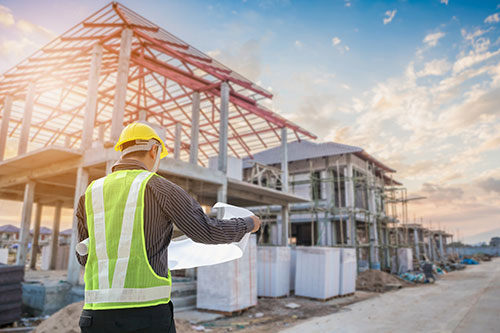
Existing buildings are exposed to a wide variety of threats—fire, flooding, and vandalism are just a few of the ways building structures can be harmed. However, buildings under construction aren’t ready to face risks that completed buildings can withstand. There’s also the chance of an accident during the construction phase, like materials being destroyed or installed incorrectly. A proper risk analysis from our Hawsey Insurance agents can help reduce the number of threats a new construction faces, and our agents can help reveal additional threats that may need to be covered by additional policies.
Builder’s risk insurance is a policy designed to mitigate the chance of loss and protect you in the event that damage is done to the building. This policy is most commonly purchased by landowners and those funding the project, although some contractors purchase it in order to have more control over how each job is insured.
This policy is mainly designed for new construction, rather than changes and improvements to existing buildings. That form of construction is usually covered by property insurance and does not need any additional coverage, although it’s best to talk with an agent before starting any particularly large project just to be absolutely sure it’s covered.
Builder’s Risk Insurance generally covers the owner, the lending institution, the contractor(s) performing the work, and other related parties. In addition to providing coverage for damage to the building itself, most plans also cover temporary constructs (like scaffolding), materials, and equipment being used (whether it’s currently on-site or off-site). The majority of policies are written on an all-perils basis, which means that reimbursements are available for any losses except those specifically excluded.
Common exclusions from this coverage include (but are not limited to):
As you can see, most of the exclusions are not likely to occur during the course of a normal construction project. The value of the land is the only one likely to change as new work is done, and you will likely need to account for any improvements or losses the next time your company prepares taxes.
Frequently Asked Questions (FAQs)
What is builder’s risk insurance?
Builder’s risk insurance is a type of property insurance designed to protect buildings while they are under construction or renovation. It typically covers the structure, construction materials, and certain equipment against risks such as fire, theft, vandalism, or certain weather-related damage during the building process.
Who needs builder’s risk insurance?
Builder’s risk insurance is commonly purchased by property owners, developers, contractors, or anyone with a financial interest in a construction project. It helps protect their investment by covering potential damage or losses that may occur before the building is completed.
What does builder’s risk insurance typically cover?
A builder’s risk policy generally covers the building under construction, construction materials, and sometimes supplies or equipment stored on-site or in transit. Covered events often include fire, theft, vandalism, and certain types of weather-related damage depending on the policy terms.
What does builder’s risk insurance not cover?
Builder’s risk insurance typically does not cover worker injuries, liability claims, faulty workmanship, or normal wear and tear. Some natural disasters such as floods or earthquakes may also be excluded unless additional coverage or endorsements are added to the policy.
How long does builder’s risk insurance coverage last?
Builder’s risk insurance usually remains active throughout the construction period. Coverage often ends once the building project is completed, occupied, or when the policy term expires, at which point permanent property insurance may be required.
Most policies last until the building is no longer under construction. The exact point at which this occurs can vary—it may be when certain parts of the structure are done (but finishing work, like painting, has not been completed), up to the day it opens for business, or when the contract with the construction company ends. If you’re worried about interim risks—like the building being damaged between when construction finishes and when it opens for business—talk to one of our agents and ask about extending your coverage.